How bad is my shop?

How bad is my shop?

Everything else asks you to remember. Your receipt already knows.

One photo when you unpack. Ten seconds, once a week, and nothing to log.

Tesco Superstore12 August 2026
  • TESCO SEMI SKIM 2.27L£1.45
  • MCVITIE DIGESTIVE 400G£1.60
  • HOVIS THICK WHITE 800G£1.45
  • ANCHOR BUTTER 250G£2.50
  • BANANAS LOOSE£1.10
  • BROCCOLI EACH£0.69
  • CHICKEN BREAST 650G£4.35
  • WALKERS CHEESE ONION 6PK£1.75
  • COCA COLA ZERO 6X330ML£3.50
  • HEINZ BEANS 4X415G£3.00
  • CHEDDAR MATURE 400G£3.25
  • OLIVE OIL 500ML£4.00
  • GREEK YOGURT 500G£1.45
  • BASMATI RICE 1KG£2.20
  • TESCO BIN LINERS 30PK£2.40
  • FAIRY WASHING UP 383ML£1.50

TOTAL£36.19

Tesco Superstore

  • COCA COLA ZERO 6X330ML, Ultra-processed£3.50
  • HEINZ BEANS 4X415G, Ultra-processed£3.00
  • WALKERS CHEESE ONION 6PK, Ultra-processed£1.75
  • MCVITIE DIGESTIVE 400G, Ultra-processed£1.60
  • HOVIS THICK WHITE 800G, Ultra-processed£1.45
  • CHEDDAR MATURE 400G, Processed£3.25
  • OLIVE OIL 500ML, Ingredient£4.00
  • ANCHOR BUTTER 250G, Ingredient£2.50
  • CHICKEN BREAST 650G, Unprocessed£4.35
  • BASMATI RICE 1KG, Unprocessed£2.20
  • TESCO SEMI SKIM 2.27L, Unprocessed£1.45
  • GREEK YOGURT 500G, Unprocessed£1.45
  • BANANAS LOOSE, Unprocessed£1.10
  • BROCCOLI EACH, Unprocessed£0.69
  • TESCO BIN LINERS 30PK, Not food£2.40
  • FAIRY WASHING UP 383ML, Not food£1.50
Basket£36.19

35%

£11.30 of your £32.29 food shop was ultra-processed.

  • Ultra-processed£11.30
  • Processed£3.25
  • Ingredient£6.50
  • Unprocessed£11.24

Not food £3.90, outside the bar and outside the figure.

Ultra-processed, and itemised. Your bank saw one number at one supermarket and stopped there.
A till receipt curling on a magenta background

Sliced white bread and a multipack of beans are both ultra-processed. Together they came to £4.45, more than the crisps and the biscuits combined.
A rustic loaf torn in half on a cyan background

The second largest ultra-processed line on the whole receipt, behind only the cola. Nobody ever guesses beans.
An opened tin of baked beans spilling onto an amber background

One photograph when you unpack. No logging, no scanning in the aisle, no remembering anything on a Thursday.
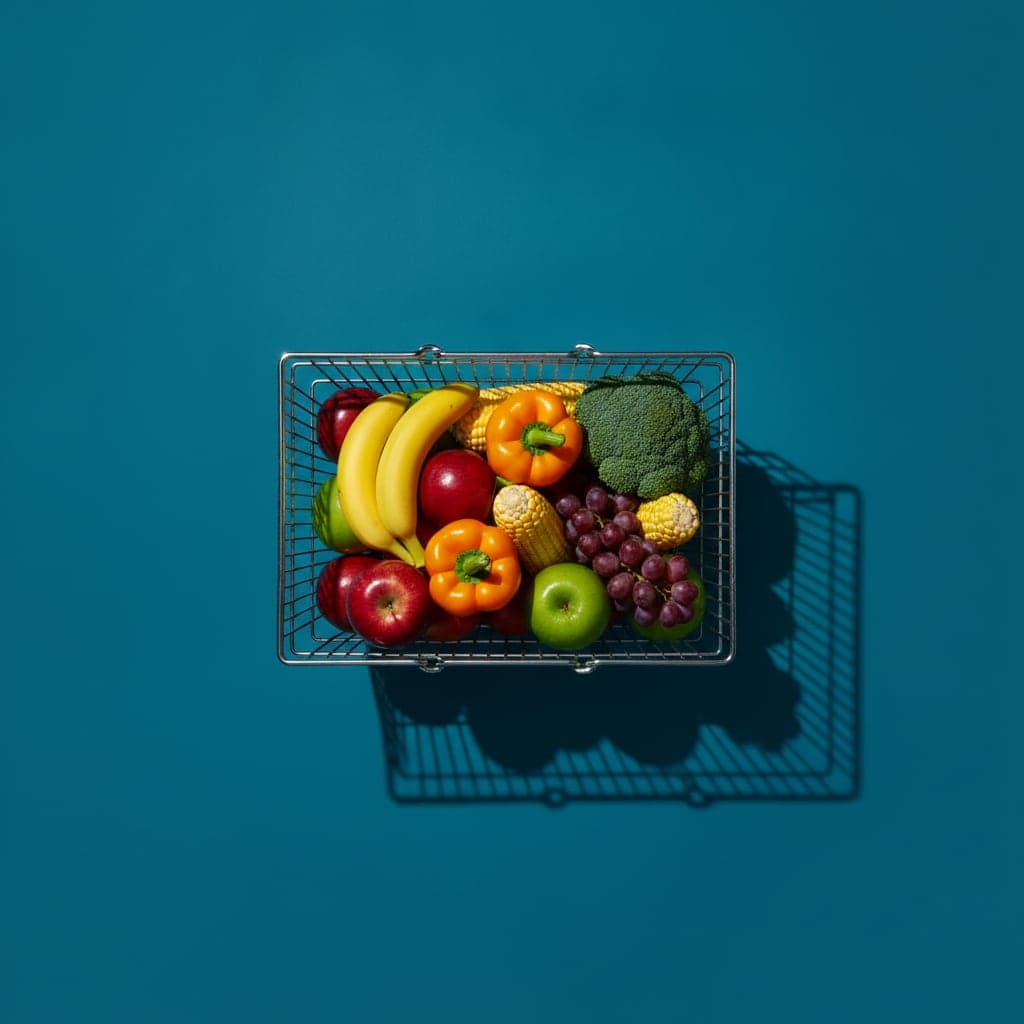
A wire basket of fresh vegetables on a teal background

Not a diet. A classification.

NOVA sorts food by how much industrial processing went into it, not by how healthy it is. Four groups, and one more for the things on your receipt that are not food.

Blueberries, a green apple, broccoli and lentils on a deep teal background

Unprocessed

Whole foods, and foods altered only by drying, freezing, chilling, pasteurising or fermenting. Nothing added.

Olive oil, sea salt, butter and flour on an amber background

Ingredient

Substances extracted from group 1 foods and used to cook with. Oils, butter, sugar, salt, flour.
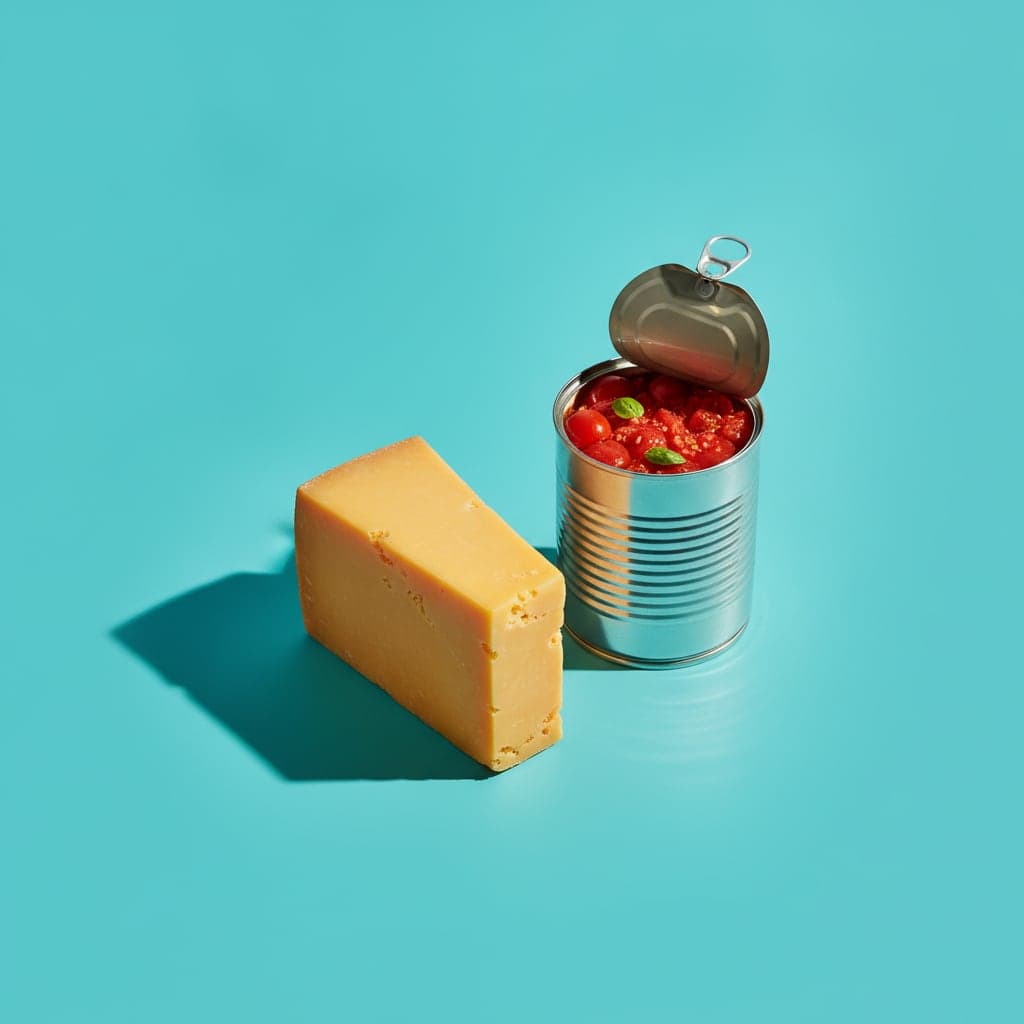
A wedge of cheddar, a torn loaf and an open tin of tomatoes on a cyan background

Processed

A whole food with a group 2 ingredient added, usually to preserve it. Cheese, tinned fish, bakery bread.

An iced doughnut, snack puffs, sliced white bread and a cola on a magenta background

Ultra-processed

Industrial formulations built largely from extracted substances, with additives for texture, colour or shelf life.
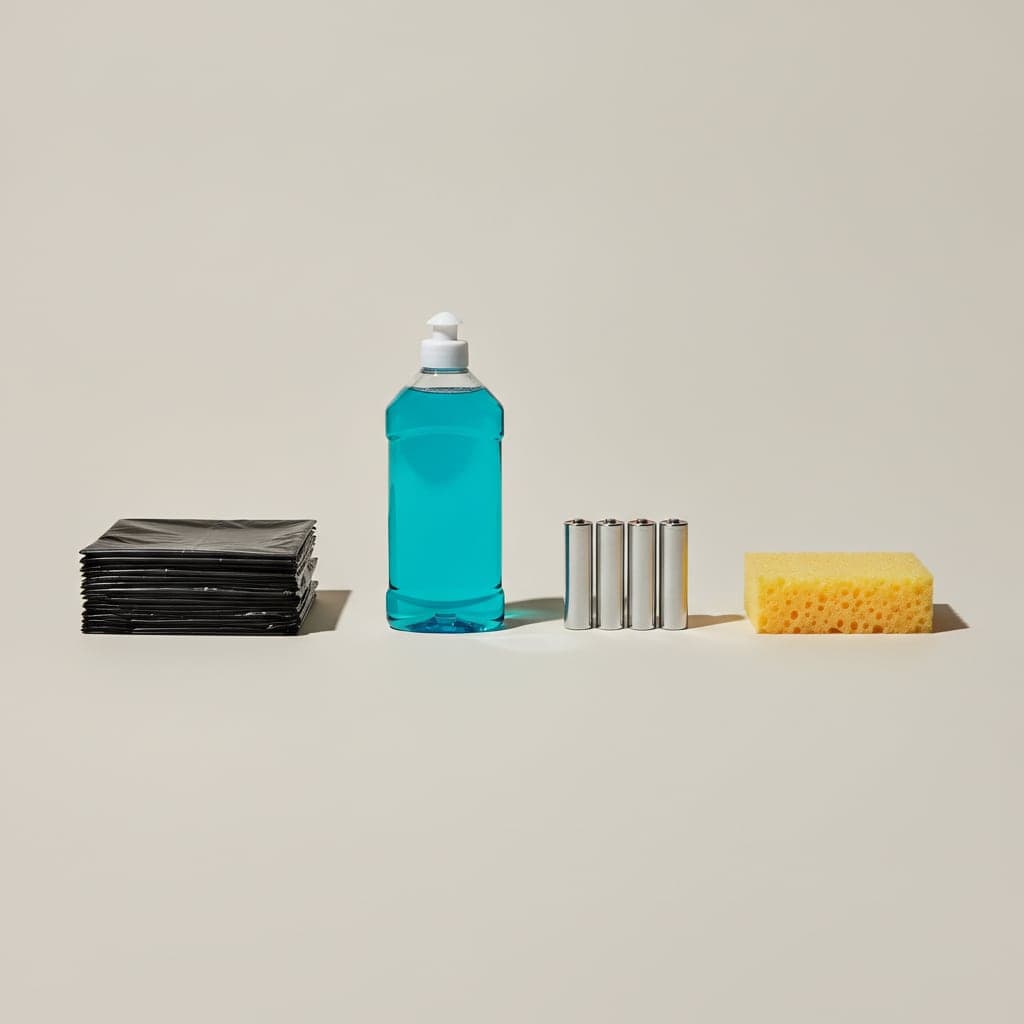
Bin liners, washing-up liquid, batteries and a sponge on a pale stone background

Not food

Not food or drink at all. Bin bags, washing-up liquid, batteries. Left out of the figure entirely.

One of these has a recipe. The other has a formula.

A bowl of oats, banana, blueberries and peanut butter

A recipe

  • Oats
  • Banana
  • Peanut butter
  • Blueberries
  • Honey
  • Sea salt
An industrially made bar with thick pink icing

A formula

  • Glucose syrup
  • Palm oil
  • Modified starch
  • Emulsifiers
  • Artificial flavouring
  • Colour (E129)
  • Acidity regulators
  • Preservatives

6 ingredients against 8. That is the whole of what NOVA sorts on: not how much of anything is in it, but whether it was cooked from foods or assembled from components. Most of the list on the right exists to do a job to the product rather than to be eaten on its own.
One image, one number.

The share card: the percentage of the example shop that was ultra-processed

Nothing to log. Nothing to remember.

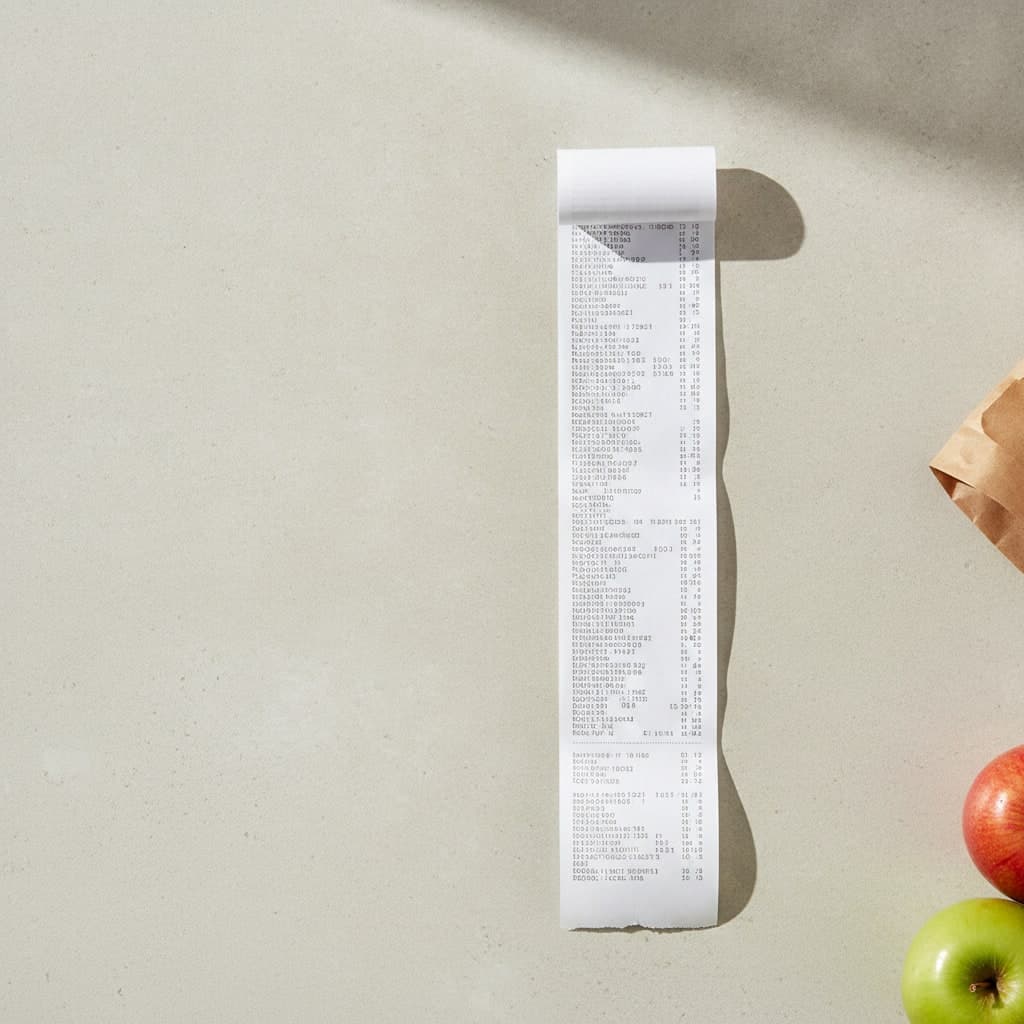
A supermarket till receipt on a kitchen worktop beside a paper bag and apples

Shop

Once a week

Nothing to do. No app, no scanning in the aisle, no logging anything. You already did this part.

Snap

One photo

One photo of the receipt when you unpack. Ten seconds, and the paper goes in the bin as usual.

Read one number

About fifteen seconds later

Every line is matched, priced and classified. You get a figure like £11.30 of £32.29, and the 16 lines behind it.

One swap. Then the receipt checks whether you did it.

A number on its own changes nothing. So you get one named item to change next time, with what it costs and what it saves. Not a plan, not a diet, one line.

Then next week’s photo verifies it. That is the part nothing else does: the receipt is both the question and the answer, so there is nothing to self-report and nothing to keep up.

After ten weeks it knows your staples better than you do, and what they now cost compared to what they used to.
What this is, and what it is not.

An extreme close crop of illegible thermal receipt printing

It reads names, not ingredients

Classified from the product names on the receipt, which do not list ingredients. Some items are a judgement call.
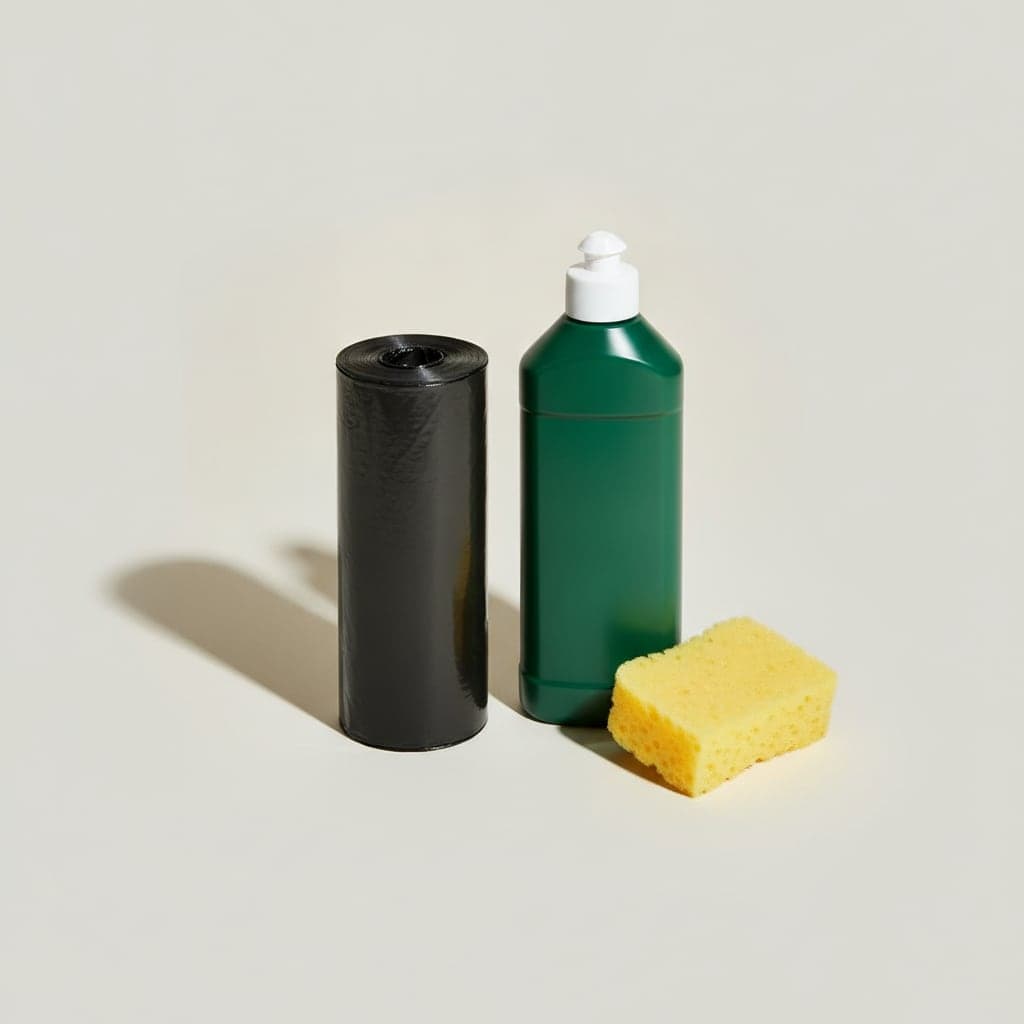
Bin liners, washing-up liquid and a sponge on a pale stone background

Non-food is excluded, not hidden

Bin bags, washing-up liquid and batteries are left out of the figure entirely and shown separately, so the percentage is food and drink only. Counting them would flatter or inflate the number depending on your week.

Four colour blocks of equal size in a row, in no particular order

No score, no grade, no target

There is no letter, no rating out of ten and nothing to hit. The classes are categories, not a ranking, and the colours are not a traffic light. It describes what you bought.
A plain empty white plate on an amber background

It is not dietary advice

Nothing here is medical or nutritional advice, and it is not a substitute for it. If you have a condition or a specific dietary need, talk to a professional who knows your situation.

Questions people actually ask

How does Bagged work?
You photograph your shopping receipt once a week. Bagged reads every line, works out which items are ultra-processed and shows you what share of your food and drink spend they account for, plus where the rest of the money went. It takes about ten seconds.
What counts as ultra-processed?
Bagged uses the NOVA classification, which sorts food by how much industrial processing went into it rather than by how healthy it is. Group 4 is the ultra-processed one. There is a fuller explanation in what is ultra-processed food.
Does it work with any supermarket?
Yes. It reads the printed receipt rather than connecting to a retailer, so any UK supermarket receipt works, including own-brand items, loose produce and anything without a barcode.
Does Bagged give me a score or a grade?
No, and it never will. It reports proportions, amounts and named items. There is no score, no grade, no target and no comparison against other shoppers, because a benchmark mostly teaches people that they are doing fine and can stop paying attention.
Does it need access to my bank account?
No. Bagged never asks for banking credentials or an Open Banking connection. A bank feed could not help anyway, since card transactions carry no line items. See why your banking app cannot see your food.
What happens to my receipt photographs?
They are uploaded so they can be read, kept for 12 months, and then deleted. The line items are kept while your account exists. Nothing is ever sold or shared, and you can delete any receipt, or your whole account, at any time. The detail is on the privacy page.
Will it get things wrong?
Sometimes, yes. A receipt shows a product name and not an ingredients list, so some items are a genuine judgement call. Bagged records how confident each classification is and says so rather than presenting every line as certain.
How is this different from a barcode scanner?
A scanner sees the products you remember to scan. A receipt is the whole basket, produced whether or not you were paying attention. The trade-offs are set out in how Bagged compares.

Read the rest.

Less than the biscuits it will talk you out of.

£2.99a month

Free for 3 days. Cancel in two taps, and it stops.

Start free

One plan. No tiers, no add-ons, and no version of this that sells your shopping to anybody. That last one is on the privacy page in writing.

  • Every line of every receipt read, priced and classified
  • The share of your food and drink spend that was ultra-processed
  • One named swap each week, with what it costs and what it saves
  • The same basket priced week over week, so you can see what actually went up
  • Your history for as long as you keep the account
The Bagged app icon: a till receipt with a torn edge

Photograph one receipt and see.

Free to try on your own shop. No account needed to see your first number.

Not in the stores yet. Tell us where to send it.

Join the waitlist

One email when it is live, and nothing else.